
"Lightly governed, lightly taxed, highly educated, isolationist, farmer's paradise."
— Clay S. Jenkinson
This week, President Thomas Jefferson explains his own vision for America.
This week on the Thomas Jefferson Hour, Clay Jenkinson visits with Pat Brodowski, formerly the head gardener at Thomas Jefferson's Monticello. Pat explains how she found her way to Monticello, what she learned about Thomas Jefferson from working every day in his extensive garden, and how she is occupying her time now as a retiree. Plus, Pat gives tips to our listeners about how to grow something in the next year.
Dr. Lindsay Chervinsky and Clay Jenkinson discuss Jefferson's daughters. Thomas Jefferson was highly expectant of their behavior and let them know it through a series of letters. When he died in bankruptcy, his daughter Martha was left nearly penniless and had to deal with the aftermath of Jefferson's poor money management.
Clay Jenkinson speaks with David Swenson about the ethnomusicologist Frances Densmore and her work with the Lakota in the Dakotas beginning in 1911. David has spent the last year working on The Densmore Repatriation Project, re-cataloging and restoring her wax cylinder recordings.
At Standing Rock in 1911, Frances Densmore met with dozens of tribal elders and recorded traditional songs on wax cylinder. Densmore documented this work in her book Teton Sioux Music which became a touchstone for learning about Lakota/Dakota culture. The Densmore Repatriation Project reintroduces the songs with new recordings made by contemporary Native singers.
The Densmore Project’s website: lakotasongs.com
The Densmore Project on YouTube
KX News: Re-introducing Lakota Songs
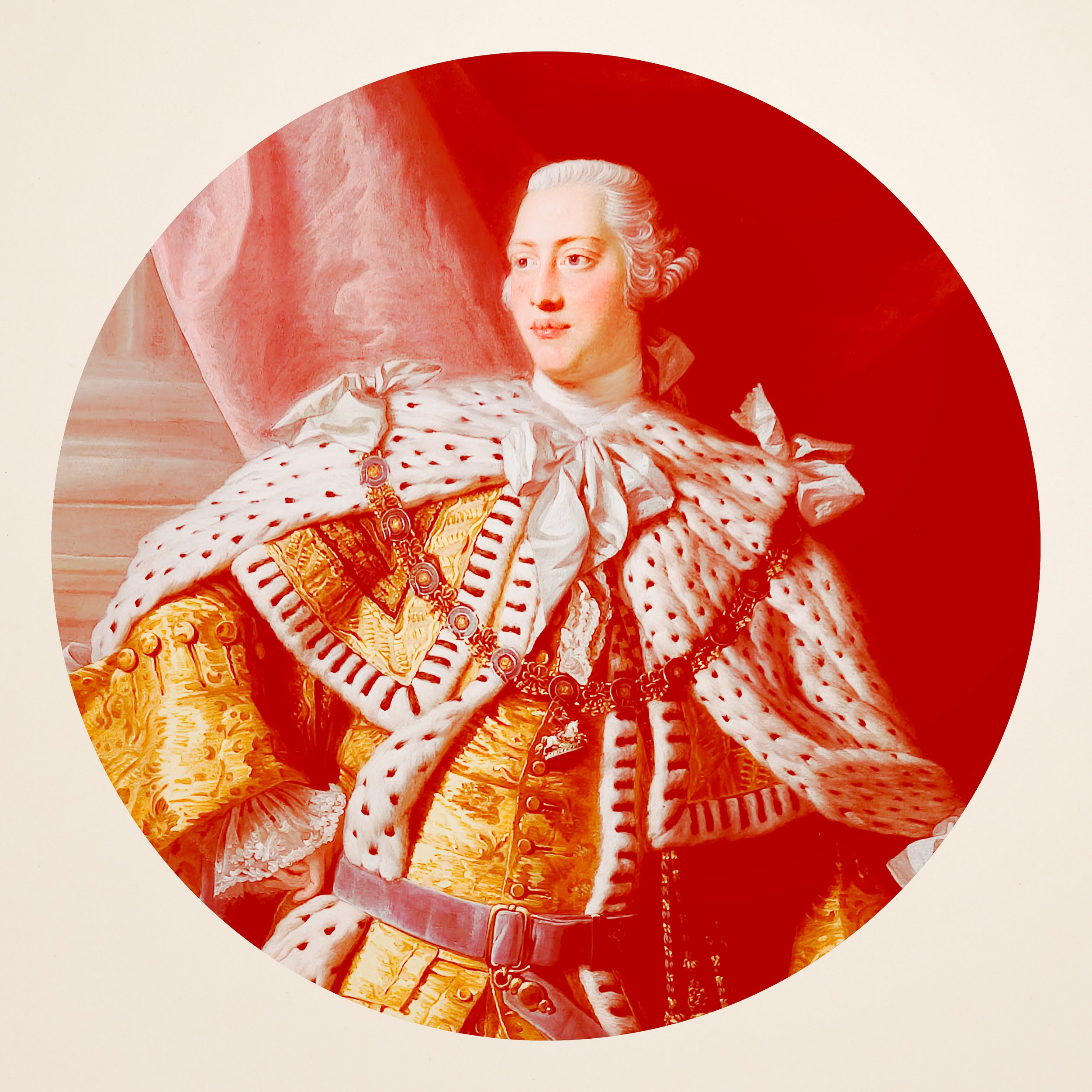
Dr. Lindsay Chervinsky and Clay Jenkinson discuss King George III and his effect on the American Revolution. According to the British historian George Otto Trevelyan, the King was determined to "keep the rebels harassed, anxious, and poor, until the day when, by a natural and inevitable process, discontent and disappointment were converted into penitence and remorse."
"I think that an ideal citizen is a bit grumpy, is always concerned that government is up to no good."
— Thomas Jefferson, Second Inaugural Address
We begin our conversation with President Thomas Jefferson asking about the actual location of his tombstone. We also discuss truthfulness, free speech, personal freedoms, upholding international agreements, and what Thomas Jefferson thinks about executive privilege and our current government.
"I don't think that it's very useful to compare the burden of the presidency of 1803 … with the burden of the presidency in your time."
— Thomas Jefferson, as portrayed by Clay S. Jenkinson
We talk with President Jefferson about an article written by John Dickerson of CBS regarding how difficult the office of the president has become. The article is titled "The Hardest Job in the World" and was published in this month's Atlantic magazine.
Joining our conversation this week is the award-winning author Joseph Ellis. We discuss his book First Family: Abigail and John Adams in part one of two shows as our first entry for the Thomas Jefferson Hour Book Club series.
"peace, commerce, and honest friendship with all nations, entangling alliances with none"
— Thomas Jefferson, First Inaugural Address (March 4, 1801)
This week on the Jefferson Hour, we talk with President Jefferson about his struggles with foreign entanglements, and his disappointment with the American people's reactions to his decisions.
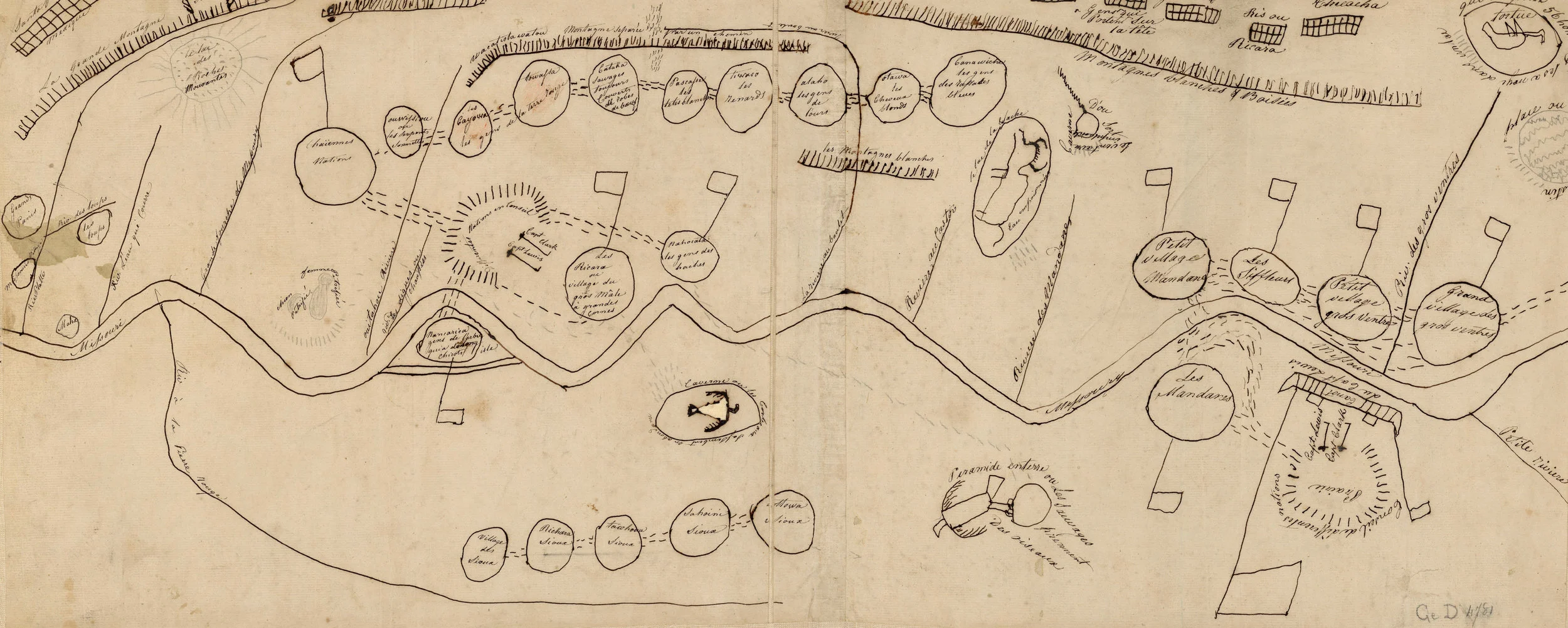
We answer listener questions in response to episode #1277 Gerrymandering, and then turn to a discussion about an important discovery of an 1805 Lewis & Clark related map. It was found after being stored for 200 years in a French archive. The map and its background story appear in this month’s issue of We Proceeded On, published by the Lewis & Clark Trail Heritage Foundation.